
The evolving landscape of Scottish metalwork
Scotland has always been a nation built on industry. From the historic shipyards of the Clyde to the cutting-edge engineering firms supporting the North Sea energy sector, the ability to shape, cut, and join metal is woven into the country’s fabric. However, when you are looking for metal fabrication Scotland, you quickly realise that the industry has moved far beyond the heavy, soot-covered workshops of the past. Today, it is a high-tech discipline that blends traditional craftsmanship with advanced digital technology.
Whether you are a developer working on a new commercial block in Glasgow, a farmer needing specialised equipment in the Highlands, or a homeowner looking for a bespoke architectural feature in Edinburgh, the quality of the fabrication work determines the longevity and safety of your project. It is not just about sticking two pieces of steel together; it is about precision, material science, and an understanding of how structures behave in the unique Scottish climate.
Why local expertise makes a difference
There is a specific advantage to working with a team that understands the local landscape. Metal fabrication is often the backbone of larger construction or renovation projects, and having a partner nearby simplifies logistics significantly. When you choose a specialist in metal fabrication Scotland, you are not just saving on haulage costs; you are working with people who understand the local building regulations and the environmental challenges that materials face here, such as high salt content in coastal areas or extreme weather conditions in the north.
Furthermore, local fabricators often have established relationships with other trades and suppliers across the country. This interconnectedness means that if a project requires a specific galvanising treatment or a particular grade of stainless steel, a local expert can usually source it more efficiently than a firm based hundreds of miles away. This responsiveness is vital when project timelines are tight and every day of delay costs money.
The core services you should expect
A truly versatile fabrication shop offers more than just basic welding. To handle the diverse needs of modern industry, a high-quality provider should offer a comprehensive suite of services that take a project from an initial concept to a finished, installed product. These services typically include:
- Structural Steelwork: The fabrication of beams, columns, and trusses that form the skeleton of modern buildings.
- Architectural Metalwork: Creating aesthetically pleasing yet functional elements like staircases, balustrades, and balconies.
- Bespoke Design and CAD: Using Computer-Aided Design to create precise blueprints before a single piece of metal is cut.
- Secondary Steelwork: Smaller but essential components like cat ladders, mezzanine floors, and security grilles.
- Sheet Metal Work: Precision cutting and folding of thinner materials for enclosures, ducting, or decorative panels.
The role of technology in modern fabrication
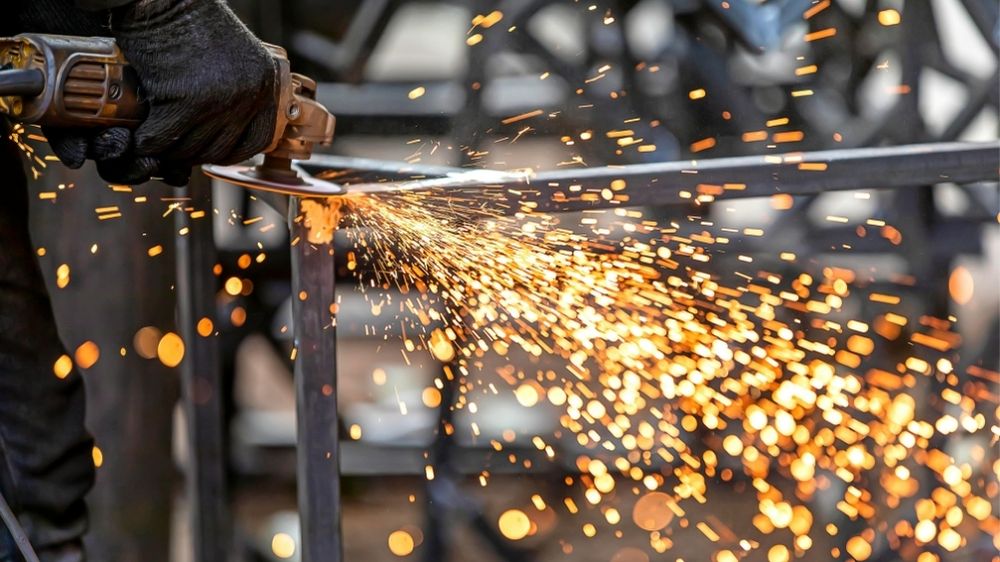
The image of a fabricator with just a torch and a hammer is long gone. Modern metal fabrication Scotland relies heavily on precision machinery. CNC (Computer Numerical Control) technology has revolutionised the way we approach metalwork. Laser and plasma cutting machines can now cut through thick steel plates with an accuracy of a fraction of a millimetre, following complex patterns that would have been impossible to achieve by hand just a few decades ago.
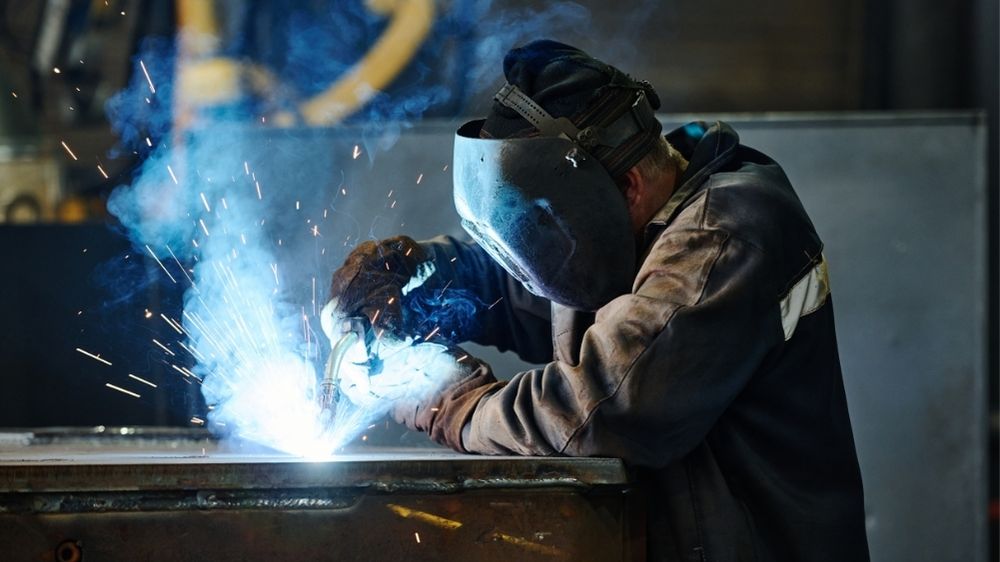
This technological shift hasn’t replaced the need for human skill; rather, it has elevated it. A skilled fabricator now needs to be as comfortable with a computer interface as they are with a welding mask. This marriage of tech and technique ensures that every component produced is identical to the last, which is crucial for large-scale structural projects where even a tiny deviation can cause massive headaches during the assembly phase on-site.
Materials and their specific applications
Not all metal is created equal, and choosing the right material is one of the most important decisions in any fabrication project. A professional fabricator will guide you through the pros and cons of different metals based on your specific needs. Common materials used in Scottish workshops include:
- Mild Steel: The workhorse of the industry, prized for its strength and versatility in structural applications.
- Stainless Steel: Essential for food processing, medical environments, or coastal installations where corrosion resistance is a priority.
- Aluminium: Chosen for its high strength-to-weight ratio and natural resistance to rust, making it ideal for transport and aerospace sectors.
- Wrought and Cast Iron: Often used in restoration projects to maintain the historical integrity of older Scottish buildings.
Understanding the fabrication process
If you have never commissioned a metalwork project before, the process might seem opaque. It usually begins with a consultation where the fabricator assesses your drawings or requirements. If you only have a rough idea, many shops offer design services to help turn that idea into a workable technical drawing. This stage is critical because it identifies potential structural issues before they become expensive mistakes.
Once the design is finalised, the material is sourced and the actual fabrication begins. This involves cutting the metal to size, folding or bending it into the required shapes, and then joining the pieces through various welding techniques. After the physical structure is built, it undergoes a finishing process. This could be anything from simple priming and painting to more robust treatments like hot-dip galvanising or powder coating, which provide a durable finish that can withstand the elements for decades.
What to look for in a fabrication partner
When you are vetting a company for your project, there are several key indicators of quality that you should look for. It is not always about finding the lowest price; often, the cheapest quote can lead to higher costs down the line if the work is substandard or fails to meet safety regulations.
- Certifications and Standards: Ensure the company complies with relevant British Standards and holds necessary certifications like UKCA marking (formerly CE marking) for structural steel.
- Portfolio of Work: Ask to see examples of previous projects that are similar in scale or complexity to your own.
- Communication: A good fabricator should be able to explain technical details clearly and keep you updated on progress.
- In-house Capabilities: Companies that handle design, fabrication, and installation in-house often provide a more seamless experience than those that outsource parts of the job.
The future of the industry in Scotland
The demand for high-quality metalwork shows no signs of slowing down. As Scotland pushes toward greener energy solutions, the fabrication industry is playing a central role in the production of wind turbine components, hydrogen storage facilities, and wave energy devices. This shift toward sustainability is also reflected in the workshops themselves, with many firms investing in more energy-efficient machinery and better waste recycling programmes.
The versatility of metal makes it a sustainable choice for construction, as it is one of the most recycled materials on the planet. This circular economy approach is becoming increasingly important to clients who want to ensure their projects have a minimal environmental footprint. By choosing a forward-thinking partner for your metalwork, you are contributing to a more sustainable industrial future while ensuring that your specific project is built to last for generations to come.

Sophie Bennett is a freelance copywriter with a passion for crafting compelling narratives and persuasive content. She specializes in creating engaging copy for websites, blogs, and marketing campaigns that resonate with diverse audiences.